Comparative Animal Behavior Concentration
Turn your love of animals into a career in Drake’s Comparative Animal Behavior concentration.
College of Arts & Sciences | On-Campus
Program Options
The Comparative Animal Behavior Concentration is typically taken in concert with other science programs and used as a bridge to further study or employment in the field.
Comparative Animal Behavior Concentration
The concentration requires 15 credits of core classes, plus another 12 to 17 credit hours in topical electives in areas including Molecular Determinants of Behavior, Biological Determinants of Behavior, Comparative Analysis of Behavior, and Ecological Factors.
Meet the Faculty
Understanding animal behavior requires knowledge of fields as diverse as biology, psychology, and sustainability and conservation—all areas in which program faculty bring deep and varied expertise.



Outside the Classroom
The best way to learn about animal behavior is to see interactions and reactions up close. You’ll get that opportunity at Drake, where almost every student engages in research and participates in an internship before graduation.
Research
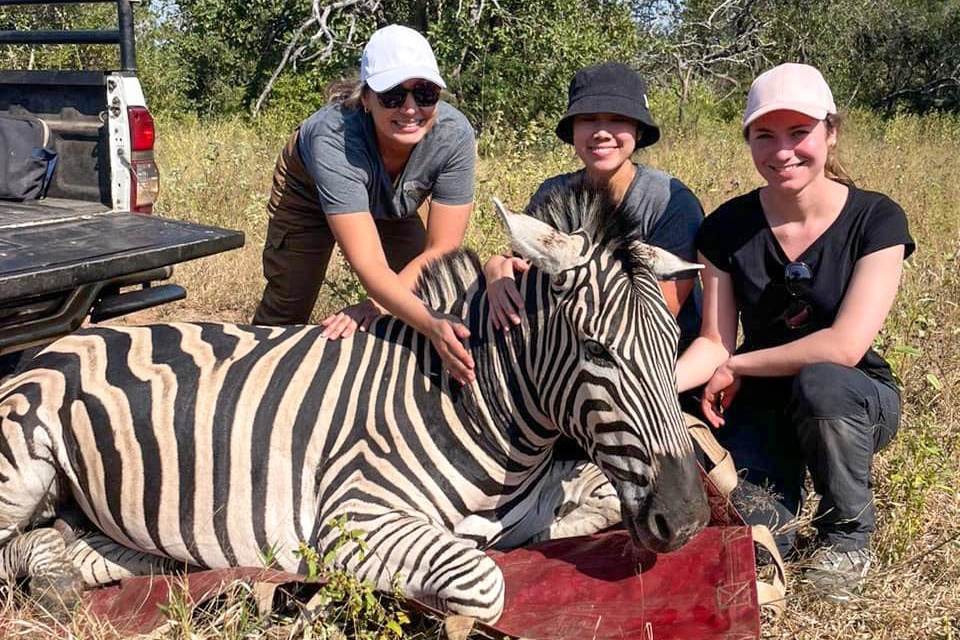
The Drake University Science Collaborative Institute (DUSCI) can connect you to dozens of research opportunities, from lab-based brain studies to fieldwork tracking native species.
Internships
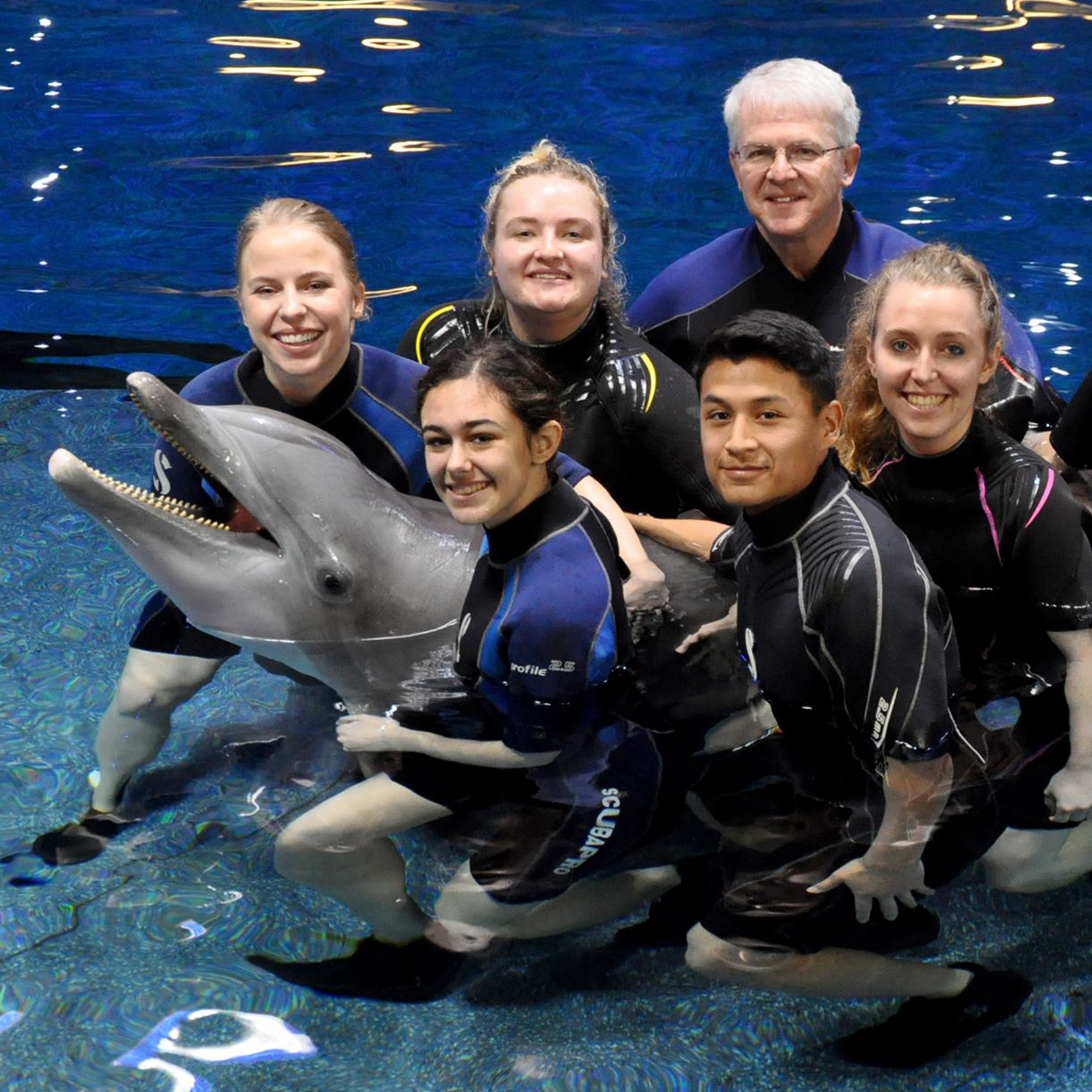
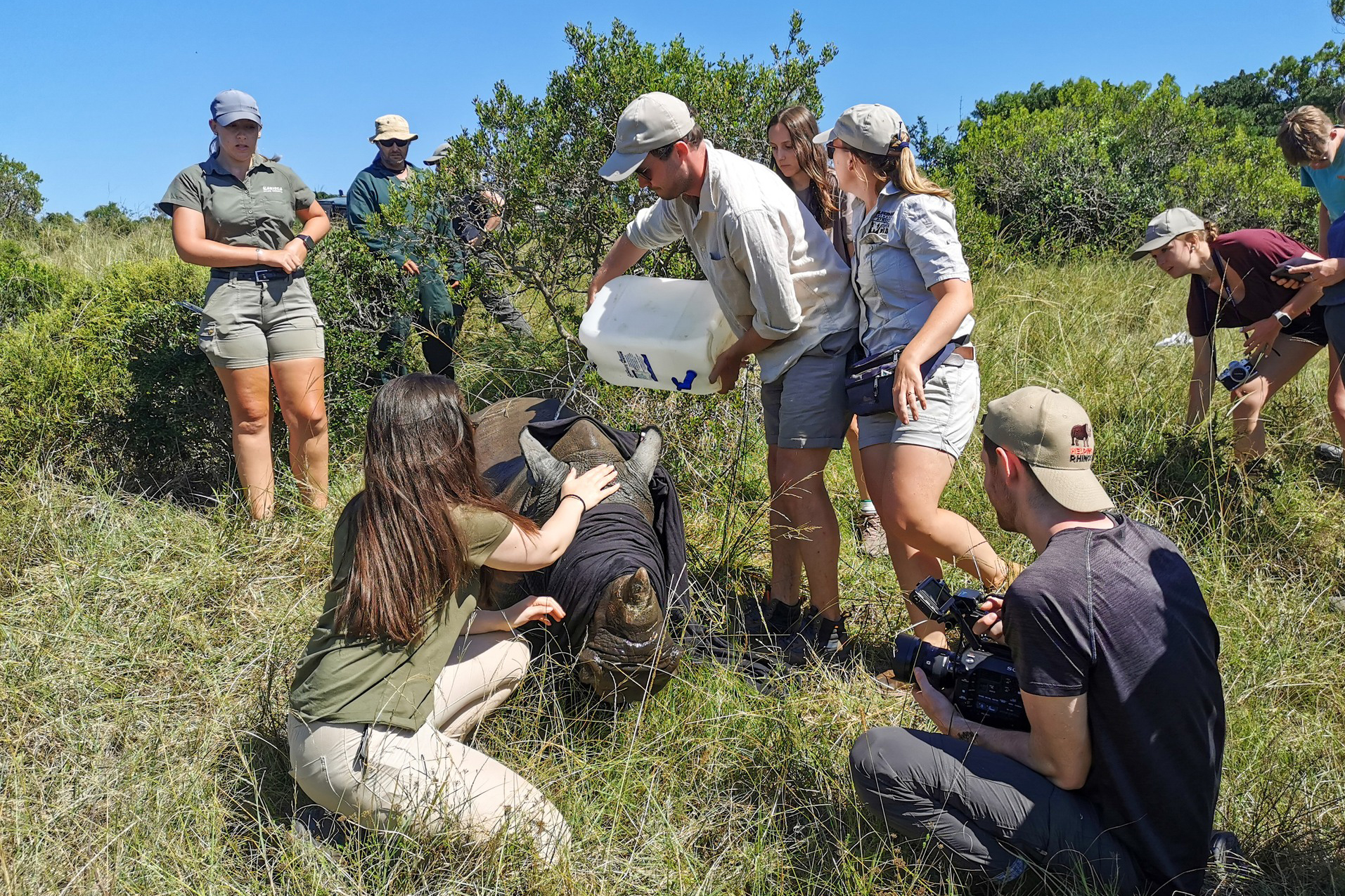
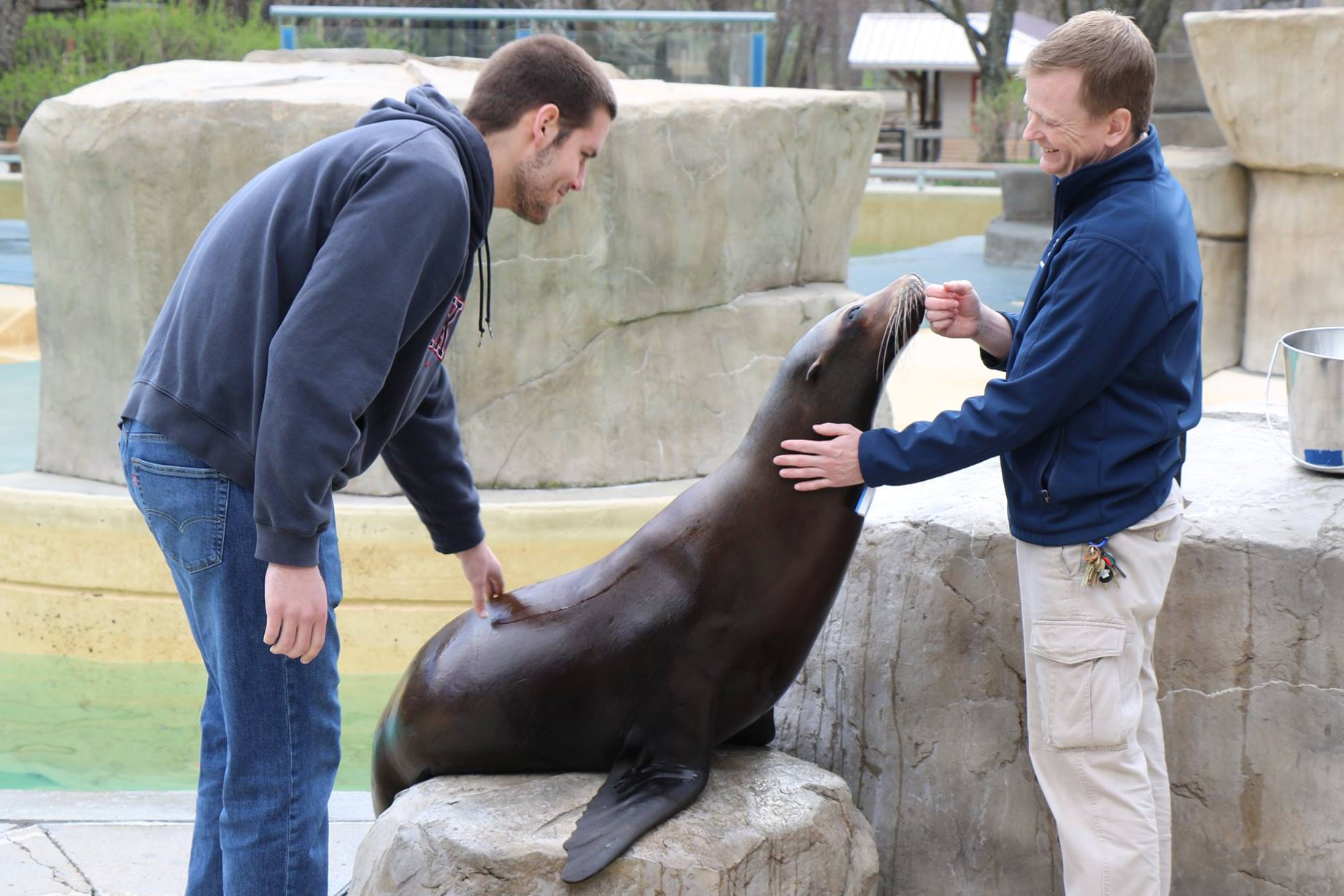
Drake students benefit from our partnerships with the Blank Park Zoo in Des Moines and the Ape Cognition & Conservation Initiative, the world’s only research center dedicated to the bonobo and one of the few places where you can practice the English language with great apes.
Study Abroad Seminars
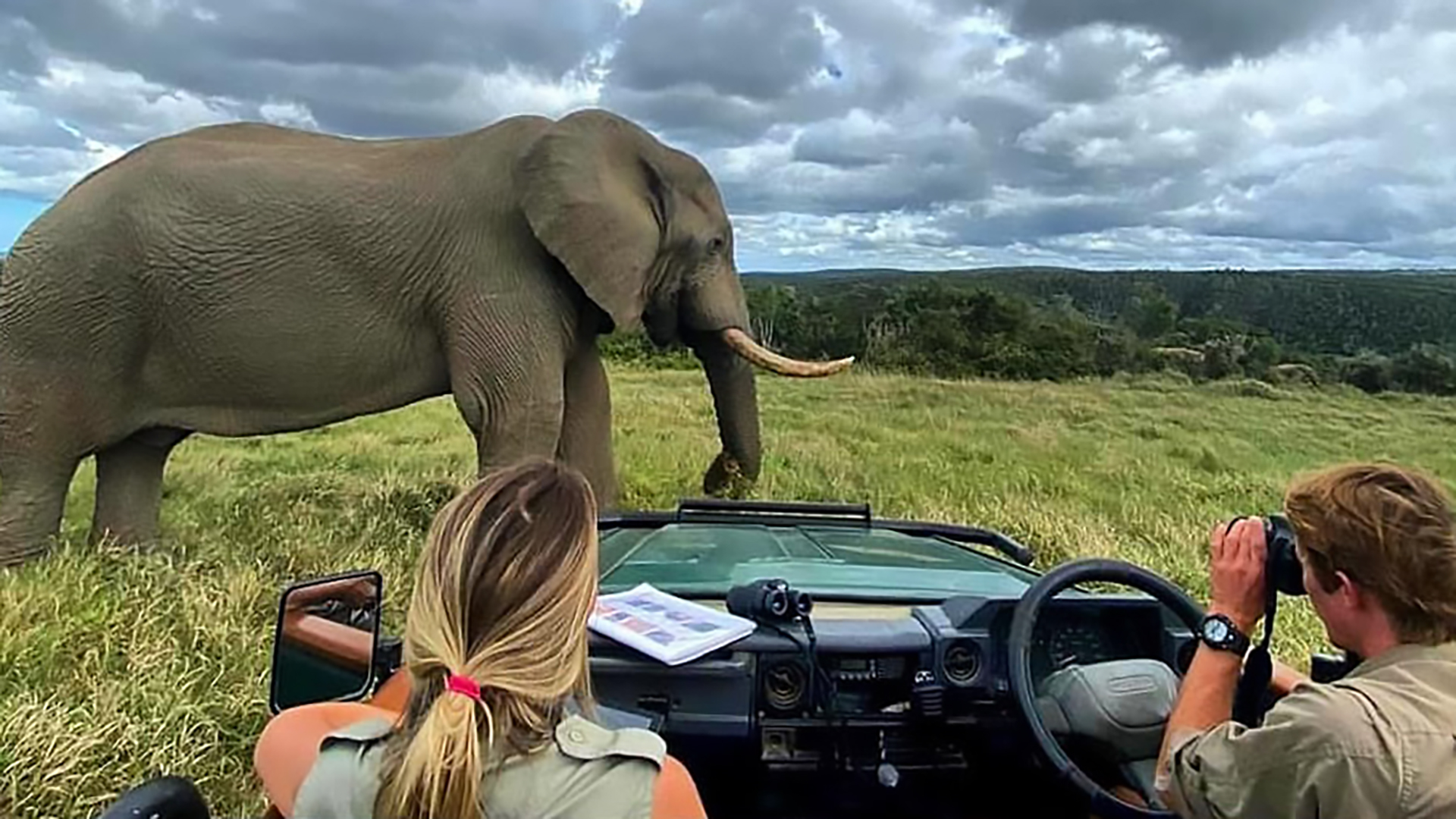
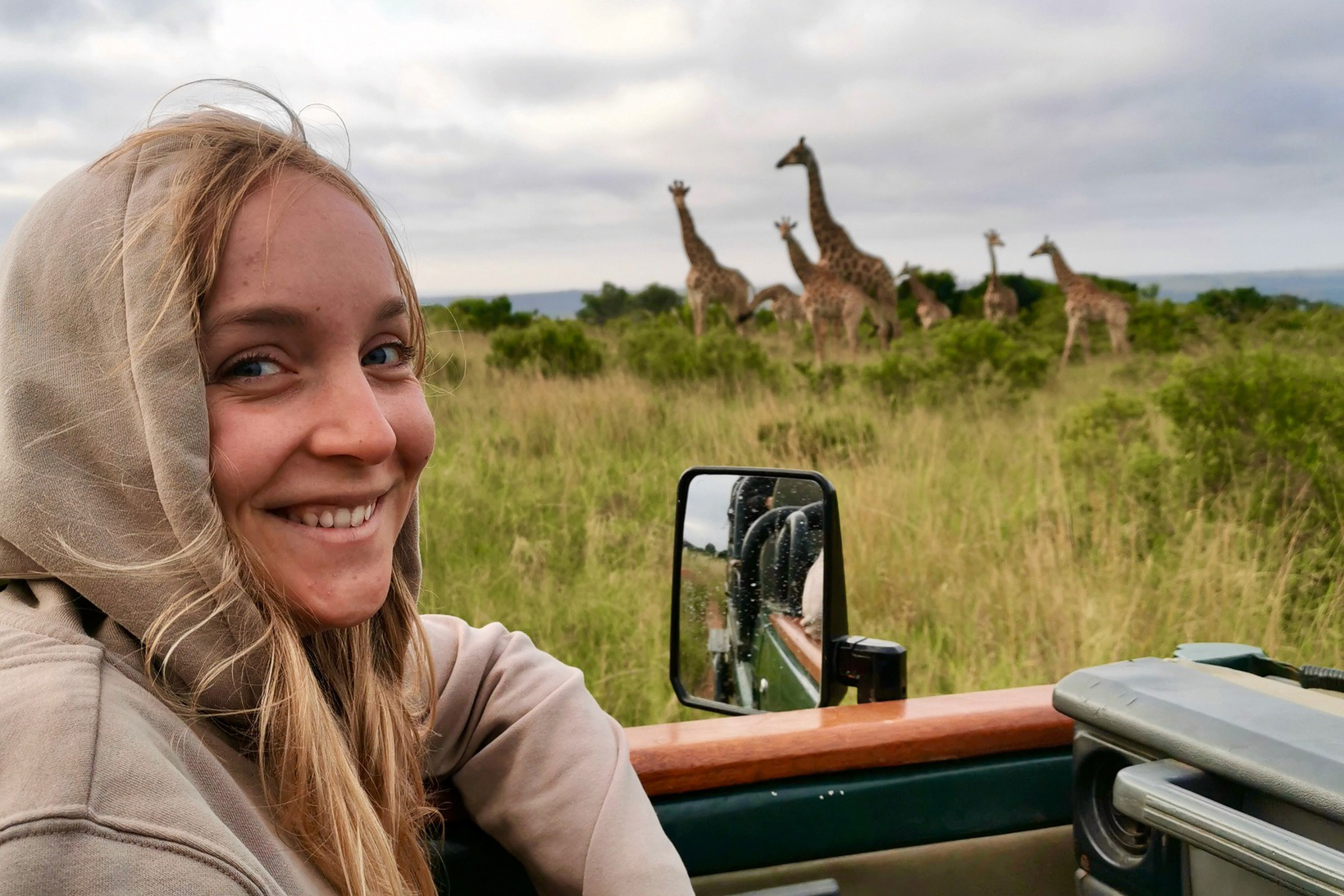
Short-term travel seminars get you deep into the field without committing months to studying abroad. You might conduct primate conservation research in Uganda or see African wildlife on a J-Term class in Rwanda.
Careers & Skills
Help preserve ecosystems for current and future animal populations, uncover greater insight into animal behavior patterns, or educate audiences about species and their habitats. Careers, whether after graduation or further studies, take our students along several paths, including animal psychology, ethology, neuroscience, veterinary medicine, or conservation biology.
In addition to relevant scientific and technical skills, your liberal arts classes will expand your perspective of the world, make you a more engaged citizen, and build your capacity for creative thinking and problem-solving, among many other things.
Opportunities
- Wildlife biology
- Veterinary science
- Ecology
- Zoo and aquarium operations
- Conservation
- Museum studies
- Graduate work in medicine, neuroscience, and other fields
Skills
- Build critical thinking, communication, and interpersonal skills through the Drake Curriculum
- Learn how to develop and execute research projects
- Apply the principles of animal behavior research with wild and captive populations
Salary & Growth Outlook
Median pay for wildlife biologists and zoologists in 2024. (U.S. Bureau of Labor Statistics)
Take the Next Step
Animals can’t speak for themselves, but we can speak for them. Learn how in this concentration.