
Center for the Humanities
The Heart of the University
Every department at Drake University is important, but the humanities occupy a distinctive place. They have long taken as their subject matter questions of history, community, ethics, and politics. These questions are not only at the heart of what it means to be human—they’re also the heart of Drake’s liberal arts-based education and our culture of inquiry.
The Center for the Humanities exists to promote scholarship, teaching, and conversations around these vital pursuits, drawing disciplines like language, literature, history, philosophy, ethics, and art criticism into fruitful dialogues that energize the intellectual life of the university as a whole.
About Us
Learn about the origins of the Center for the Humanities, the mission that animates our activities, and our annual awards.
Our History
The Center began in 1983 with an endowment to support teaching and research in the humanities at Drake. Over the years, we’ve provided funding to empower our faculty and established ongoing awards and events that recognize and foster excellence and innovation.
Our Mission
Our mission is to advance humanities instruction and research at Drake by providing targeted support for faculty. In the process, we enhance learning across the university for scholars and students alike through an environment of vibrant and collaborative inquiry.
Awards
To recognize and encourage excellence in humanities scholarship and teaching, the Center has established two annual awards. The Edward C. Truman Award recognizes an outstanding undergraduate student, while the Humanities Research Scholar Award supports major faculty research projects.
Events and Series
Discover some of the initiatives sponsored by the Center that spur dialogues, connections, and growth on campus and in the wider community.

Humanities Colloquium Series
This ongoing colloquium series provides a venue for faculty to share their research and engage in discussion with colleagues and students.

Humanities Reads!
The Center’s Humanities Reads! Initiative encourages and facilitates the adoption of a common text across many courses to ignite a broad conversation and reflection throughout the campus community.
The Comparison Project
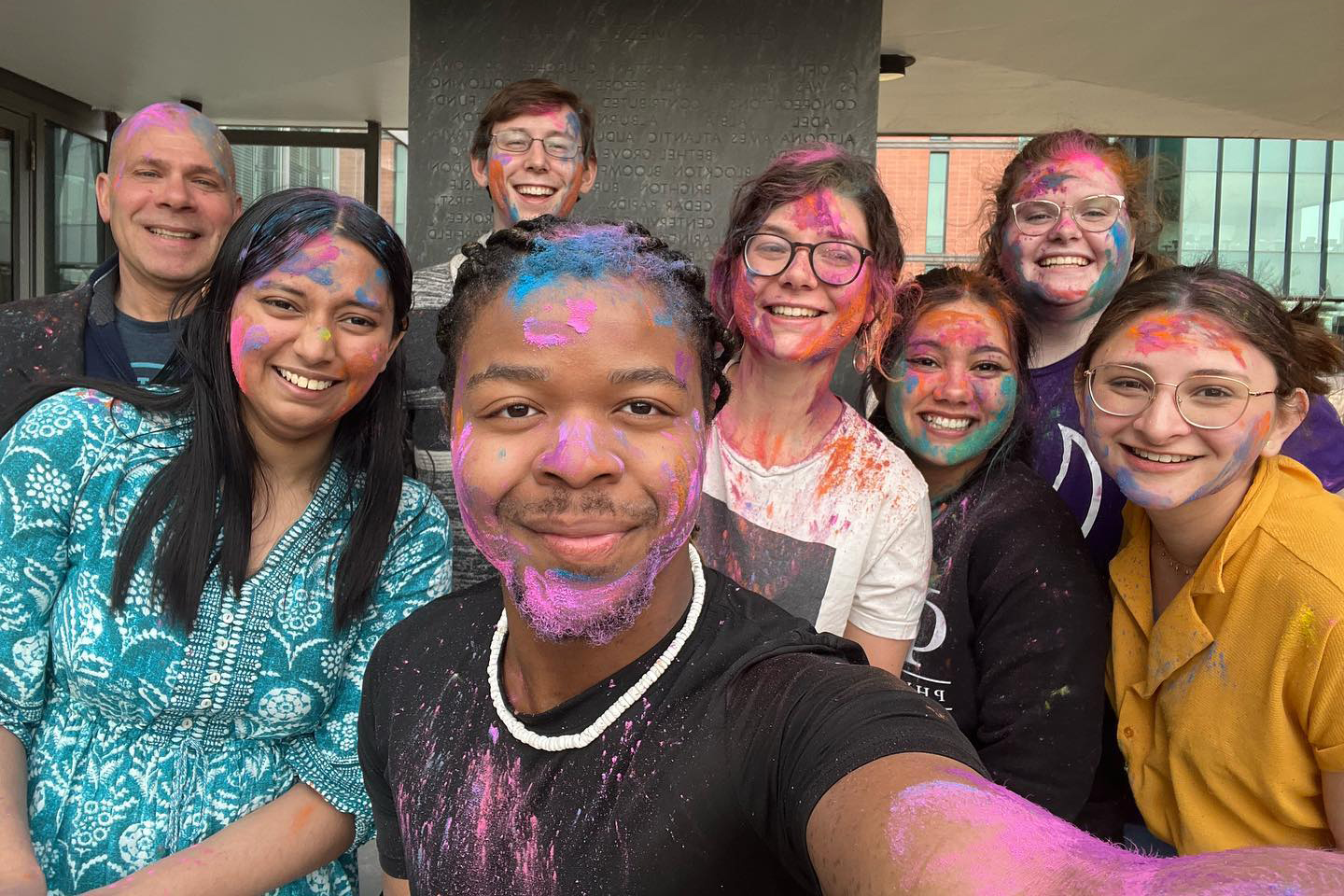
Beginning in 2012 as a lecture and dialogue series in the comparative philosophy of religion, our work now embraces a variety of programs that cultivate interfaith literacy and understanding.
Susan Glaspell Writers & Critics Series
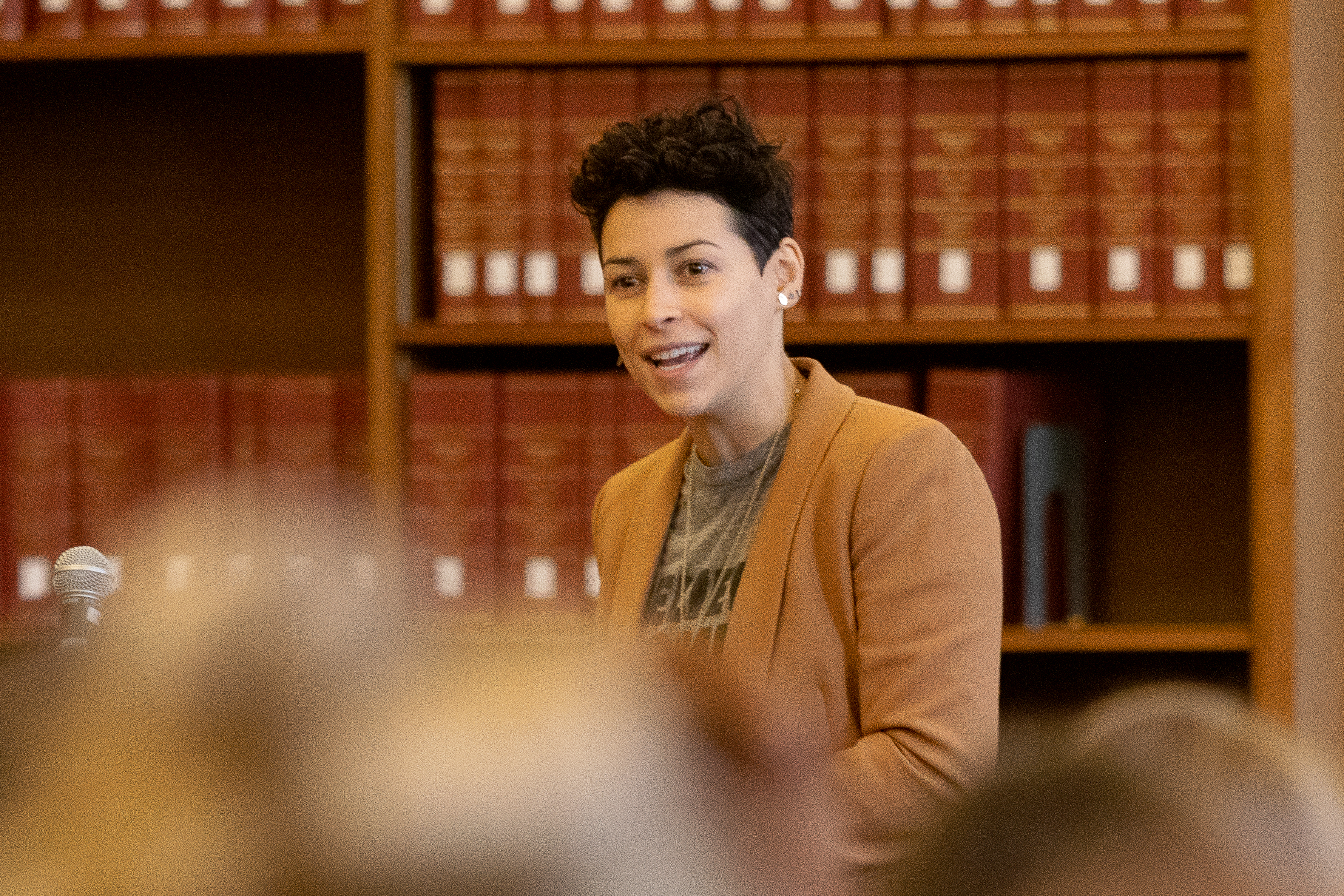
This series, coordinated by Drake’s Department of English, brings established writers and scholars to campus for public lectures, readings, and in-depth interaction with students.
How to Get Involved
Our community’s strength is its diverse membership, representing an array of disciplines and approaches. Here are some ways you can add your voice to the conversation.
As a Faculty Member
Any Drake faculty member working through teaching, scholarship, or service in areas related to the humanities, broadly understood, is eligible to join the Center and be added to the email distribution list. Email Director Will Garriott to sign up.
Research
Apply for funding to support your scholarship. Grant programs include funds for travel, materials, publication, course reassignment, sabbaticals, and multi-year research projects.
Programming
Request a programming grant, which provides support for conferences, invited speakers, and other events for the community both on and off campus.
Board of Directors
Members of the Board of Directors are elected by humanities faculty to three-year terms. To ensure continuity of governance, each year, two members are replaced. No more than two representatives may belong to a single department or program.
Current Board Members
The Center’s activities and funding decisions are overseen by a talented group of faculty who represent a passion for the value of the humanities within the university.

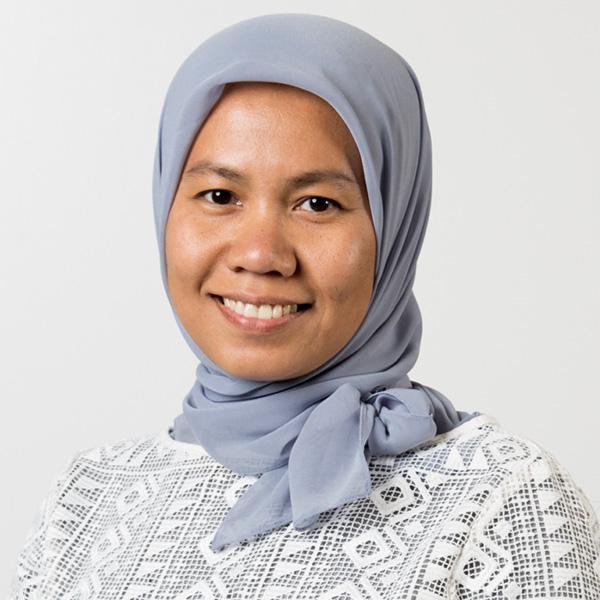
William Garriott III
Professor, Law, Politics, and Society; Department Chair, Law, Politics, and Society




Resources
 The Center for the Humanities recognizes that a number of definitions, descriptions, and philosophies define "the humanities" in varying and often contradictory ways.
While the Center hopes to foster ongoing consideration of what, precisely, constitutes "humanities" research and teaching, in Fall 2012, the Board of Directors voted to adopt the language of the National Endowment for the Humanities as the basis for determining whether a funding proposal would be eligible for the Center's support.
The NEH defines the humanities broadly and productively in the following statement:
"The term 'humanities' includes, but is not limited to, the study and interpretation of the following: language, both modern and classical; linguistics; literature; history; jurisprudence; philosophy; archaeology; comparative religion; ethics; the history, criticism and theory of the arts; those aspects of social sciences which have humanistic content and employ humanistic methods; and the study and application of the humanities to the human environment with particular attention to reflecting our diverse heritage, traditions, and history and to the relevance of the humanities to the current conditions of national life."
—National Foundation on the Arts and the Humanities Act, 1965, as amended
 Board of Directors
Members of the Board of Directors are elected by Center for the Humanities faculty to three-year terms. To ensure continuity of governance, each year, two members are replaced. No more than two representatives may belong to a single department or program.
The Board will solicit nominations each Spring to fill, by election open to all members of the Humanities Center, two new board members to three-year terms, which shall begin the following Fall semester.
Associate and Full Professors and Assistant Professors eligible for promotion who are members of the Humanities Center faculty may serve on the Board of Directors and are eligible to take part in elections and deliberations on Center policy and amendments to the Charter.
Faculty
All Drake faculty whose work as teachers, scholars, or in academic service involves humanistic inquiry may join the Humanities Center. We welcome those whose work has not traditionally been considered within "the humanities" but who are pursuing connections and consequences of humanistic concern. To join, simply email the director. You will be placed on our email list and be invited to apply for opportunities and participate in events as they arise.
All members of the Humanities Center faculty are eligible to propose projects for Center underwriting or to request support for their own research and teaching activities. (However, only those on continuing appointment may request funding for future years or that spans fiscal years.)
Director
Associate and Full Professors are eligible to serve as Director of the Center.
Staff
The Center for the Humanities is staffed by members of the Office of the Dean of the College of Arts and Sciences and of the home department of the current Director. Staff members are responsible for managing the budget, disbursals, and acquisitions and advising on day-to-day administrative matters related to the operation of the Center.
Contact Us
Interested in getting involved, pursuing support, or learning more about the Center’s work? Please reach out to Center Director Will Garriott.
William Garriott, Director
Medbury 216
Drake University
2507 University Avenue
Des Moines, IA 50311
william.garriott@drake.edu